
When considering a more minimalist lifestyle there is the debate of container home vs tiny home often arises. Thinking about living in a smaller home? You might choose between a tiny home or a container home. Both are small and good for the planet. Tiny homes are cozy and often made of wood. They use space well inside. Container homes are made from shipping cargoes. They look modern and are very strong. Both types of homes have good and bad points. You need to think about the rules for building them and how well they save energy.
This guide will help you understand the differences between tiny homes and container homes. You’ll learn which one might be best for your living.
What is a Container Home?
A container home is a house made from old shipping containers. These are big metal boxes for moving goods. People make their homes by adding doors, windows, and insulation. These are strongly made and give you a modern look.
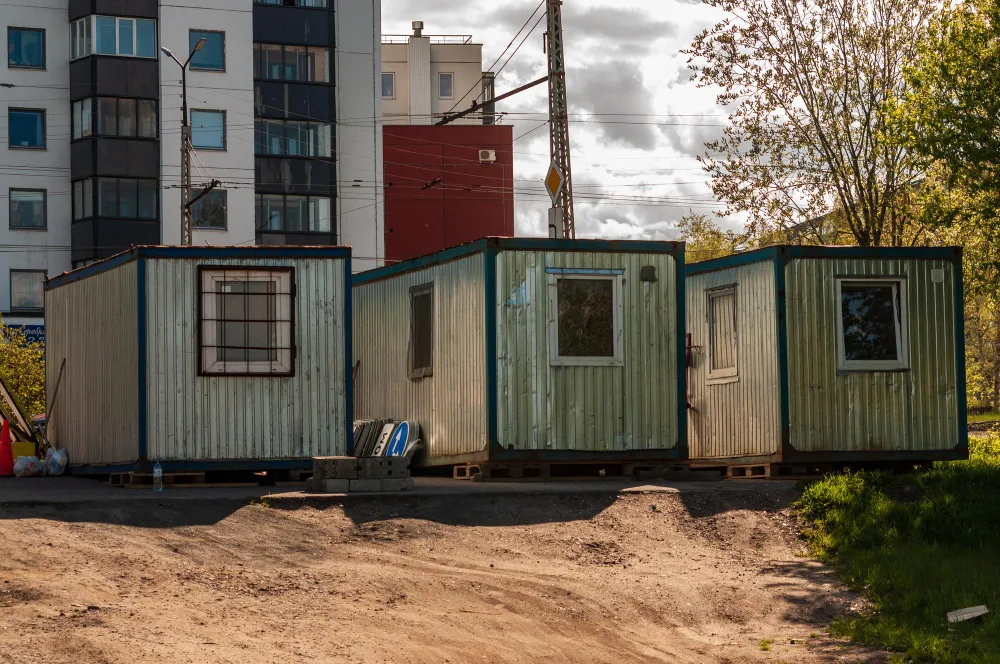
Tiny Home vs Container Home Key Differences
Tiny homes are built by cutting the cargo into small pieces and look like small cottages. Container homes use metal shipping containers and have a modern look. Tiny homes can be custom and pre-fabricated.
Structural Design and Materials
These are made with strong metal shipping containers which make them durable. They need added insulation to control temperature. Tiny homes give you a cozy look. Container homes feel modern, while tiny ones appear classic.
Mobility and Portability
Container homes can be moved but need special trucks. Tiny homes on wheels are easier to move. You can tow a tiny home with a regular vehicle. Container homes are good for staying longer. Both options provide unique mobility benefits.
Space and Layout Options
When it comes to space and layout, container homes have a boxy shape. This makes it easier to design open areas but limits creativity. Tiny homes are flexible, often featuring lofts and clever storage. Both require smart design, but compact houses offer more creative options.
Cost and Budget Considerations
Container homes can be costly to buy and convert. Insulation, plumbing, and electricity raise the costs as well. Tiny homes can be cheaper if you use simple materials. Both help to save on utilities. Compact houses on wheels might need a towing vehicle. Research financing options and resale value.
Durability and Longevity
Container houses are metal and last long. They resist bad weather well. Tiny homes made of wood need regular upkeep. Both can last many years with care. Cargo houses typically need less maintenance and are more durable.
Regulatory and Legal Considerations
Regulatory and legal rules for tiny homes and container homes can be tricky. Some places have strict building codes and zoning laws. Compact houses on wheels may face rules like RVs. Cargo houses might need special permits for construction.
Aesthetic and Design Preferences
Cargo houses have a modern, industrial look. They often feature large windows. Tiny homes are cozy and rustic, resembling small cottages. You can personalize both with different materials and styles. Your choice depends on your aesthetic preference.

Pros and Cons of Container Homes
| Pros | Cons |
| Cheap: Costs less to build than regular homes. | Small Space: Not much room, which can be tough for big families. |
| Green: Uses recycled materials, helping the environment. | Temperature: Metal walls can make it hard to keep warm or cool. |
| Strong: Built to handle tough conditions. | Permits: Might face issues with local building rules. |
| Fast Build: Quicker to put together than traditional homes. | Upkeep: Needs regular care to avoid rust and damage. |
| Customizable: This can be changed to fit your style. | Resale: Might sell for less than traditional homes. |
Pros and Cons of Tiny Homes
| Pros | Cons |
| Cheaper: Tiny homes cost less to build and take care of. | Small Space: Not much room for families or storage. |
| Eco-Friendly: They use less energy and resources, which is good for the environment. | Zoning Issues: Some places have rules that make it hard to put a tiny home. |
| Portable: Many tiny homes can be moved, so you can live in different places. | Resale Value: They might be harder to sell and could have a lower resale value. |
| Lower Bills: Smaller space means lower heating, cooling, and electricity costs. | Fewer Amenities: Some tiny homes might not have all the modern conveniences. |
| Simple Living: Encourages a minimalist lifestyle, reducing clutter. | Financing: Getting a loan for a tiny home can be tricky. |
Making the Right Choice: Tiny House Vs Container Home
Choosing between a shipping container vs tiny home depends on your needs. A container home is strong and modern. Compact houses are cozy and flexible. Think about your location and budget. Look at customization options. Pick the one that fits your life.

Evaluating Your Lifestyle Needs
Evaluating your lifestyle needs involves thinking about how you live daily. Do you prefer a cozy, rustic vibe or a modern, industrial look? Consider your hobbies and space needs. Do you need storage or an open area for activities? Think about whether you prefer a fixed location or the ability to move your home. Your lifestyle will guide you in choosing between these two options.
Assessing Your Budget
When thinking about your budget, check material and building costs. Tiny homes can be cheaper with simple designs and materials. Cargo houses might cost more due to insulation and plumbing. Consider moving costs and extra fees for permits and legal requirements.
Considering Location and Climate
When choosing between a container home Vs tiny home, think about the weather. Cargo houses need good insulation for hot or cold places. Compact houses made of wood need more care in wet or snowy areas. Also, check local building rules.
Weighing Customization and Design Flexibility
When considering customization, tiny homes offer more flexibility. You can design them in various shapes and styles. Add features like lofts or built-in storage. These cargo houses space are limited due to their boxy shape. Compact houses allow for more creative freedom.
Examining Durability and Longevity
Container homes are made of metal and last a long time, even in bad weather. They don’t need much care. Tiny homes, made of wood, need more upkeep to stay nice. Both last long if well-maintained, but cargo houses need less attention.
Resale Value and Market Demand
When thinking about resale value, container homes often do well. Tiny homes can be popular but may depend on style. Market demand for both types is growing. Check local trends to see which sells better. Both can have good resale value.
Finding the Perfect Fit for Your Minimalist Lifestyle
Choosing between a container home vs tiny home depends on your lifestyle and needs. Cargo houses are strong, modern, and need less upkeep. Compact houses are cozy, flexible, and more affordable. Both can save on utilities and offer unique designs. Think about your budget, location, and personal preferences. Carefully evaluate what suits you best for a fulfilling minimalist living experience.


